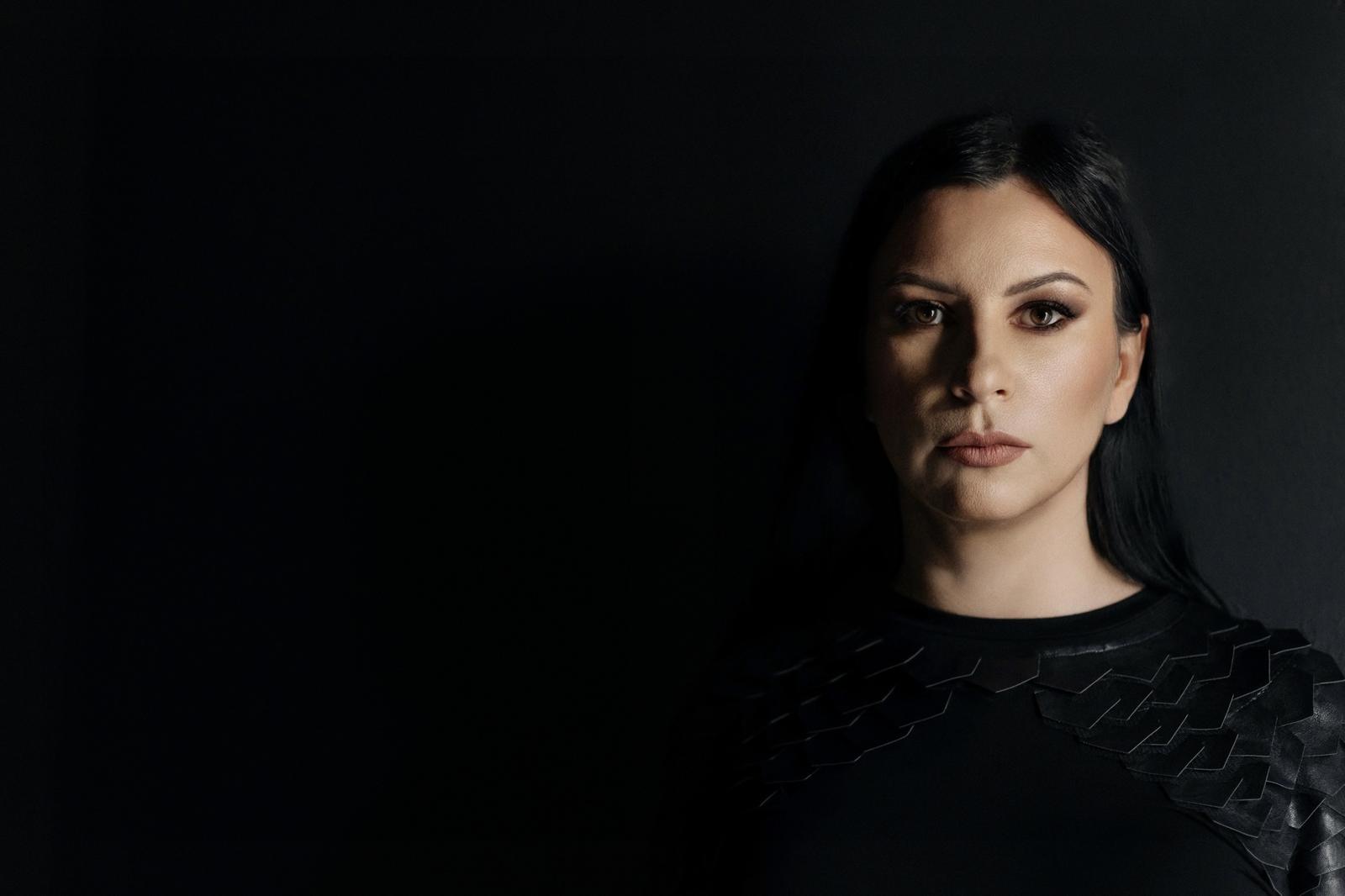
It happened early, at the very start of the road. I trained in a psychodynamic clinic in Los Angeles, where I was taught to be a blank slate. With my name and my accent, that was never an option. Some clients looked at me and asked – some politely, some not – Olga, how could you possibly understand the context of my life? Trainees don't get to argue. I smiled.
One evening, driving home, I did the math. Three more semesters to graduate. Quit – or keep pretending to be someone I wasn't? I picked a third option, one that wasn't on the menu: no pretending, and two hundred percent for anyone willing to work with me as I was. Whether I'd go on to the license and the three thousand hours after that, I honestly didn't know.
Then the clients my training never mentioned started arriving. People with ordinary day jobs who went to auditions at night.
"Days, I work retail. Nights, I go to auditions and acting classes. I dream of breaking into Hollywood, and nobody believes I'll make it," one of them told me. "Do you think I can?"
"I don't see why not," I said – remembering how I had once walked into one of the biggest firms in the world simply because I decided to try.
Another one announced, first thing: "I have an audition tomorrow. I'm not going. I don't believe in myself." He was expecting a motivational speech. He didn't get one.
"It's good that you don't believe in yourself," I said. "I do. Tomorrow, on your way there, tell yourself: I may not believe in me – but Olga does. Now describe the room you'll be walking into."
Word travels in that industry. Six years ago I didn't know it yet: I was being adopted by the entertainment community. And I have no regrets!
They were the hardest school I could have asked for. They know every therapy scene ever filmed, and they can tell within thirty seconds whether the person across from them is real. "That must be hard" does not survive contact with these people. They trained the standard therapist out of me – session by session, year by year. And they infected me with a level of creativity and professional standards I had no idea I was capable of. To this day I confuse the names of awards, and I couldn't rank the shows. That was never what they came for.